
One of the first questions buyers ask is simple: where should we live? In Greater Seattle there is no single answer. Each neighborhood has its own personality, its own rhythm, and its own trade-offs between space, commute, and lifestyle. Here is a local's overview of a few of the areas I am asked about most.
Ballard
Ballard began as a working waterfront town, and it still feels like one. The historic downtown along Ballard Avenue is lined with restaurants, breweries, and independent shops, and the Sunday farmers market is a neighborhood ritual. The Ballard Locks connect the area to Salmon Bay and the ship canal, and the water is never far away.
Housing ranges from older craftsman bungalows on tree-lined streets to newer townhomes and waterfront condominiums. If you value walkability and a strong sense of community, Ballard belongs on your list.
Queen Anne
Queen Anne rises above the city with some of the best views in Seattle. The neighborhood is known for its historic homes, mature streets, and a mix of grand older architecture alongside charming apartments and townhomes. Queen Anne Avenue is the neighborhood's main street, with shops and cafés serving both the lower and upper hill.
The trade-off is elevation and parking. Streets can be steep and tight, but the outlook and central location are hard to beat.
West Seattle
West Seattle feels a little apart from the rest of the city, in the best way. Alki Beach sets the tone — a long waterfront promenade with views back toward downtown and the Olympics. The West Seattle Junction is the commercial heart, and the neighborhoods around it range from quiet residential blocks to view properties on the hillside.
Getting downtown means crossing the West Seattle Bridge or taking the water taxi. Many residents find the separation is exactly what they want.
Fremont and Wallingford
Just north of the ship canal, Fremont is creative and casual, with public art, small businesses, and easy access to the Burke-Gilman Trail. Wallingford next door is quieter and more residential, with good schools and a walkable 45th Street corridor. Together they offer a middle ground between urban energy and everyday calm.
Magnolia
Magnolia is a peninsula neighborhood that feels like a small town within the city. Discovery Park, the largest green space in Seattle, anchors it with trails and shoreline. Homes here tend toward single-family houses on generous lots, many with water and city views. It is a quieter choice, and buyers often pay for that quiet.
Beyond the city: the Eastside and the Sound
Bellevue, Kirkland, Redmond, and the surrounding Eastside communities offer their own downtowns, employment centers, and school districts. Further out, Edmonds, Shoreline, Renton, and the towns around Puget Sound trade a longer commute for more space and a different pace of life.
How to choose
Drive the neighborhoods at the times you would actually be there. Check the commute on a real weekday. Walk the main street. Look at what is planned nearby. The right neighborhood is the one that fits your daily routine — the house can be renovated, but the location cannot.
If you are not sure where to start, I am happy to talk through the trade-offs and narrow the list to the areas that match how you want to live.
FROM OUR BLOG


Getting Your Puget Sound Home Ready to Sell: A Room-by-Room Prep Checklist
The work you do before your home goes on the market often decides how quickly it sells and how strong the offers are. Buyers in the Puget Sound region see a lot of homes, and the ones that present well stand out immediately. Here is a practical checklist, room by room. Start with the big picture Wal
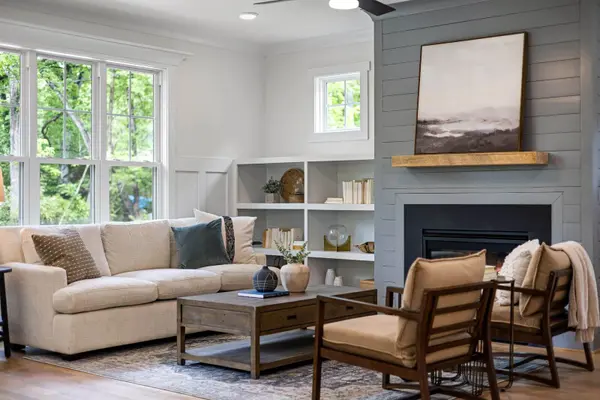
Home Staging Tips That Help Seattle Homes Sell Faster
Staging is not about decorating. It is about removing distractions so a buyer can see the space clearly and picture themselves in it. In the Seattle market, where natural light is precious and buyers tour several homes in a single day, good staging is what makes yours the one they remember. Light is